


8011 Food Grade Aluminum Foil Small Rectangular Roll for Food Applications
Description
Household foil is typically between 0.016mm and 0.024 mm; commercial heavy-duty foil begins at 0.020mm and goes up to 0.080mm or more for Ultra-Heavy applications. Typical commercial uses are as follows: 0.020-0.025mm for general purposes like covering pans or wrapping food; 0.030-0.040mm for heavy-duty purposes like wrapping boneless ribs or freezing items long term; and up to 0.080mm for extreme durability requirements like industrial packaging. The thickness of commercial heavy-duty foil will help ensure the foil does not easily tear, puncture, or melt, even at higher temperatures or when dealing with sharp objects or heavier items of food.
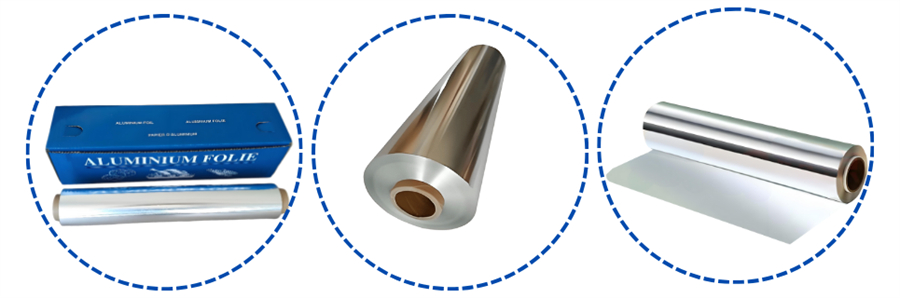

Commercial efficiency relies equally on width and length. The most common width available in heavy duty commercial foil is 45cm (18 inches). This is an excellent way to cover full-size hotel pans or sheet pans without having to overlap foil; thus conserving foil waste. 60cm (24") rolls are usually used for high-volume commercial operations and/or large cooking equipment. These larger rolls will fit over very large roasting pans or cover an entire Turkey without having to seam; using one continuous piece of foil. There are smaller widths available in 30cm (12") wide rolls if the task is smaller; such as wrapping small portion sizes or lining small food containers.

Specification
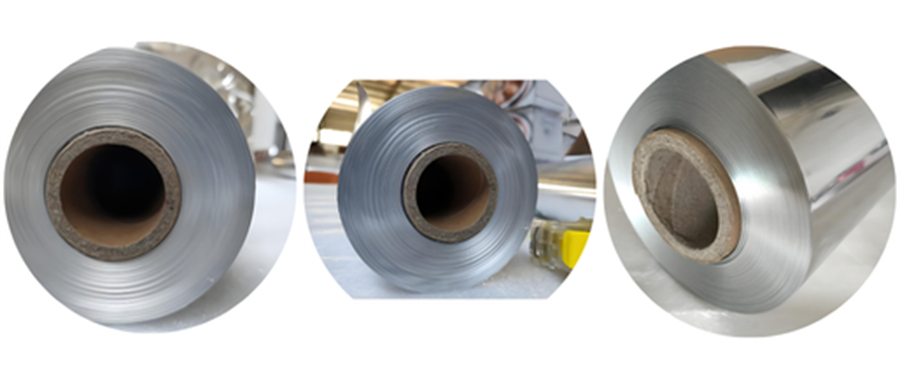
Commercial rolls of foil are much longer than roll of foil sold for home use. This helps to cut back on the frequency that a new roll needs to be purchased. Some common lengths of roll of foil are 150 m (500 ft) and 300 m (1000 ft). A 500 ft roll of foil can typically last several weeks at a busy restaurant; 1000 ft rolls are used typically in institutional locations such as hospitals, schools, and large-scale caterers that require constant use of foil.
Details include:
|
Type |
Household Aluminum Foil / Catering Foil |
|
Grade |
Food Grade |
|
Alloy |
8011 |
|
Temper |
O |
|
Thickness |
8 mic-25mic |
|
Width |
200MM-600MM |
|
Surface |
One side bright, one side matte |
|
Packaging |
Cardboard Packaging |
|
Customization |
Thickness, width, logo, and packaging can be customized |
|
MOQ |
5,000 Volumes |
|
PAYMENT Term |
30%T/T Advance + 70% Balance |
|
Application |
Household kitchen foil rolls, catering foil, baking foil, wrapping foil |
High-volume professional kitchens rely on heavy-duty commercial aluminum foil for food preparation and storage to meet the demands of their operations. Compared to other materials like paper or plastic, aluminum foil's durability, versatility, and cost-effectiveness make it the preferred choice in modern commercial kitchens.
A key advantage of heavy-duty commercial aluminum foil is its ability to withstand a wide temperature range-from -20°C to 250°C for standard foil, with even higher limits for extra-thick versions-while maintaining excellent thermal conductivity. This makes it an ideal solution for temperature management across various cooking methods, including freezing, refrigeration, baking, roasting, stewing, boiling, and grilling. Beyond providing superior thermal insulation during transport and storage-ensuring consistent temperatures throughout the container and preventing freezer burn-it eliminates the need for chefs to transfer food between containers when moving from storage to reheating. Using a single container for various foods boosts efficiency and reduces the risk of cross-contamination associated with handling multiple products.
Another major benefit is its exceptional barrier performance. Aluminum foil effectively blocks oxygen, moisture, light, and bacteria, thereby extending shelf life and preserving freshness. It prevents food from drying out and stops flavor transfer, while locking in moisture and aromas-factors crucial for maintaining the high quality of prepared foods in a commercial kitchen. Furthermore, its excellent resistance to grease and water allows it to hold saucy, oily, or liquid-rich dishes without leaking, avoiding cleanup hassles and food waste.
Commercial-grade aluminum foil must also be exceptionally durable and tear-resistant; heavy-duty foil perfectly meets these requirements. Its robust thickness helps prevent tearing when crimped around pan edges, wrapped over sharp items like bones, or subjected to rough handling during busy service periods. Thanks to this superior strength, the foil is less prone to tearing or damage during use, resulting in less waste and the potential for reuse in other applications (such as trivets), which helps lower costs.


