


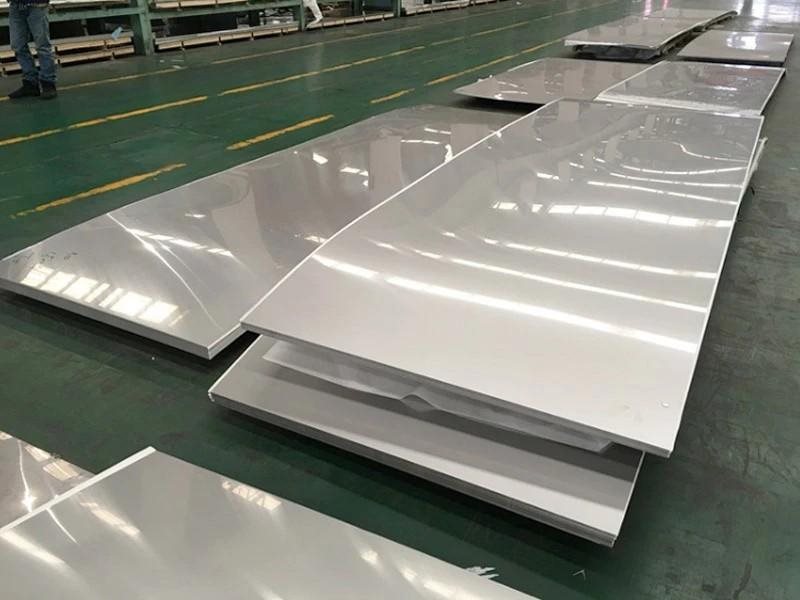
304 304L 316 316L Stainless Steel Plate

Food machinery, elevator, construction engineering, environmental protection equipment, chemical industry, shipbuilding, pharmaceutical industry, etc
1
Products Description
Product Name | stainless steel plate |
Level | Industrial grade/hot rolled, food grade/cold rolled |
Surface Treatment | 2B,1D,No.1,polishing and wire drawing,8K mirror,oil grinding |
Regular Material | 304,201,321,316L,310S,2205,430,309S...etc |
Standard | ASTM,GB/T4237-2007,JIS-G4304-2005,GB/T24511-2009 |
Thickness | 0.05 mm-100mm |
Width | 1000mm,1220mm,1250mm,1500mm,1800mm,2000mm |
Applications | Food machinery, elevator, construction engineering, environmental protection equipment, chemical industry, shipbuilding, pharmaceutical industry, etc |
2
Product Details
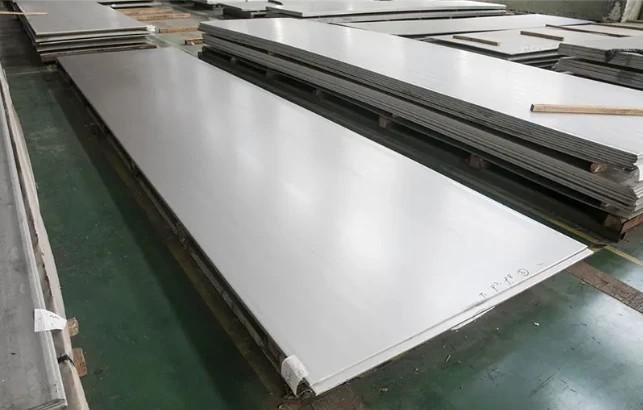
01.
Raw Material from big factory
Made of high-quality stainless steel, it boasts a high degree of surface smoothness, corrosion resistance, and a long service life
02.
FLAT CUT
The cut is smooth and burr-free, with good mechanical propertiese processes.
03.
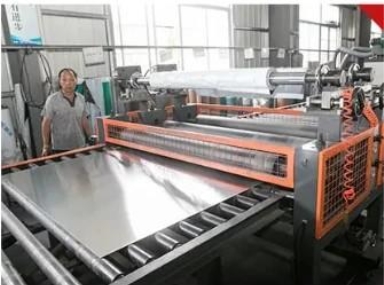
random cutting
As client's request to process
Multi-axis motion system, precise control of dispensing path;
Matching high UPH, realising automatic cleaning of nozzle.
04.
Stock
Size and material is wide
Fast delivery , enough stock
3
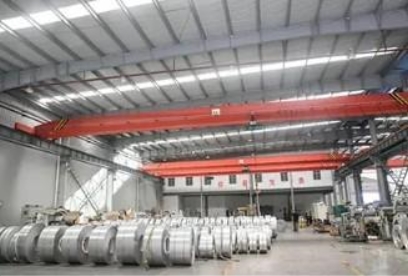
Raw Material Factory
All Famous and big mill in china



4
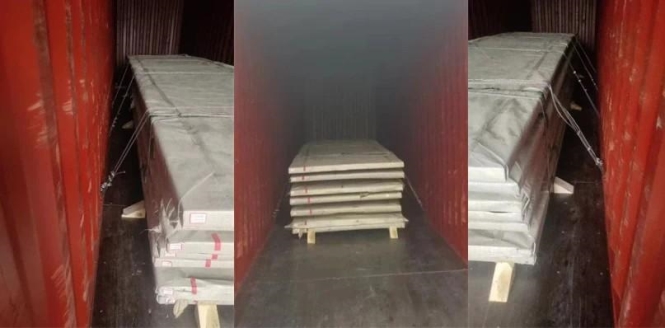
Packing & Shipping

5
Stainless Steel Material
Austenitic stainless steel
301(1 Cr17Ni7)302(1 Cr18Ni9)303 304(0 Cr18Ni9)304L(00 Cr19Ni10)304H(07 Cr19Ni10)304N(06 Cr19Ni10N)304LN(022 Cr19Ni10N)309S(0 Cr23Ni13)310S(OCr25Ni20)316(0 Cr17Ni12Mo2) 316L(00 Cr17Ni14Mo2) 316H(07 Cr17Ni12Mo2)316Ti(06 Cr17Ni12Mo2Ti)316N(06 Cr17Ni12Mo2N)316LN(022 Cr17Ni12Mo2N)317 (Cr19Ni13Mo3)317L(00 Cr19Ni13Mo3)329J 1 321(1 Cr18Ni9Ti)347(0 Cr18Ni11Nb)XM7 XM15J1
Ferritic stainless steel
403,405,430,430F,434,447J1
Martensitic stainless steel
410,410L,405,416,410J1,420J1,420J2,420F,431,440A,440B,440C,440F,630,631,632,1Cr13,2Cr13,3Cr13
Duplex stainless steel
205(UNS S31803,S32205,1.4462),2304(UNS S32304,1.4362)2507(UNS S32570,1.4410)254SMO
High molybdenum super stainless steel
904L(UNS N08904,1.4539),254SMO/SMO254(UNS S31254,1.4547)25-6MO(UNS N08926,1.4529)
6
Technical Data 304 vs. 316
Feature | 304 / 304L | 316 / 316L |
Corrosion Resistance | Standard; resists oxidizing acids (nitric). | Excellent; resists reducing acids (sulfuric) and chlorides. |
Marine Use | Not suitable for direct saltwater splash. | Standard for coastal/marine applications. |
Price Factor | Base price (lowest). | Premium (+20-30% depending on alloy surcharges). |
Magnetic Response | Usually non-magnetic; slight magnetism possible after cold work. | Non-magnetic (austenitic structure remains stable). |
Delivery State | Annealed (solution treatment), pickled, or bright annealed (BA). | Annealed, pickled. Often supplied with mill edge or trimmed edge. |
Key Selling Points for Clients (Commercial Negotiation)
When discussing these grades with buyers, emphasize the following technical points to justify value:
1. 304 vs. 304L:
If your project involves significant welding without the ability to perform post-weld heat treatment (PWHT), I recommend304Lplate. While the unit price is slightly higher than 304, it eliminates the risk of weld decay and saves you the cost of annealing.
2. 316 vs. 316L:
For heavy plate applications (>6mm) in chemical or marine environments316Lis the standard to ensure the integrity of the welded joints. The low carbon content ensures the molybdenum remains effective at preventing pitting
3. Surface Finish:
No. 1 Finish: Hot rolled, annealed, pickled (Standard for plates).
2B Finish: Cold rolled, bright finish (Standard for sheets, smooth surface).
BA (Bright Annealed): Mirror-like finish, often requested for decorative architectural applications.
304 Stainless Steel Plate (UNS S30400)Type: Austenitic Chromium-Nickel Steel.
Chemical Composition (Typical):
Cr: 18.0-20.0%
Ni: 8.0-10.5%
C: ≤ 0.08%
Mn: ≤ 2.0%
Key Characteristics:
-General-Purpose Grade: It is the most versatile and widely used stainless steel.
-Formability: Excellent deep drawing and forming characteristics. It is non-magnetic in the annealed condition but may become slightly magnetic after cold working.
-Weldability: Good. However, due to its carbon content (0.08%), it is susceptible to intergranular corrosion (weld decay) in the heat-affected zone (HAZ) if the material thickness is greater than 6mm and post-weld annealing is not performed.
Applications:
Kitchenware, sinks, and food processing equipment.
Architectural trim and railings.
Heat exchangers and chemical containers (where mild corrosion conditions exist).
Trading Note:This is the "commodity" grade. Buyers often look for price competitiveness. It is not recommended for marine environments or chloride-rich conditions.
304L Stainless Steel Plate (UNS S30403)Type: Low-Carbon Austenitic Chromium-Nickel Steel.
Chemical Composition (Typical):
Cr: 18.0-20.0%
Ni: 8.0-12.0%
C: ≤ 0.03% (Key difference)
Key Characteristics:
-Improved Weldability: The lower carbon content minimizes the precipitation of chromium carbides (carbide precipitation) during welding. This eliminates the need for post-weld annealing, ensuring corrosion resistance in the as-welded condition.
-Mechanical Properties: It has slightly lower mechanical strength (yield strength) compared to standard 304 at elevated temperatures, but this is negligible for most room-temperature applications.
Applications:
Welded structures where annealing is impractical.Large diameter piping and vessels.Brewery equipment.
Trading Note: In modern steelmaking, many suppliers offer "dual-certified" 304/304L plates, meaning the material meets the carbon content of 304L but the mechanical strength of 304. This is a strong selling point for buyers looking for inventory flexibility.
316L Stainless Steel Plate (UNS S31603)
Type:Low-Carbon Austenitic Chromium-Nickel-Molybdenum Steel.
Chemical Composition (Typical):
Cr: 16.0-18.0%
Ni: 10.0-14.0%
Mo: 2.0-3.0%
C: ≤ 0.03%(Key difference)
Key Characteristics:
Best in Class for Welding:Combines the corrosion resistance of 316 with the weldability of 304L. It is highly resistant to intergranular corrosion after welding.
Sensitization Resistance:Ideal for heavy-gauge plates (over 6mm) that require welding and exposure to corrosive media.
Applications:
Heavy welded industrial equipment.
Offshore oil rig platforms and subsea equipment.
High-chloride environments (swimming pool structures, desalination plants).


